Medical School Note-Taking: The High-Yield AI Guide (2026)
Master 100+ slide medical lectures, pharmacology, and anatomy with AI notes, instant active recall flashcards, practice quizzes, and concept mind maps.
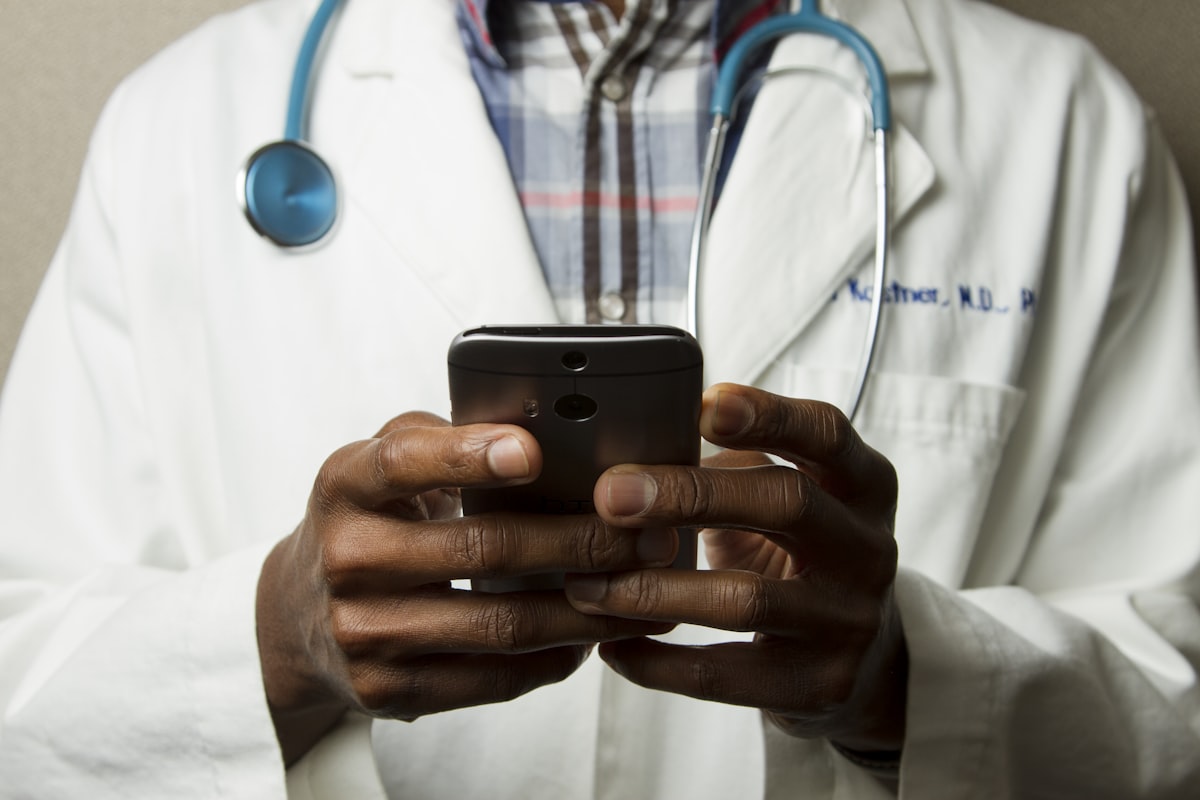
Medical school note-taking requires shifting from passive transcription to immediate active recall. Using an AI study engine like Notlu AI, medical students can process 100+ slide pathology PDFs, record dense pharmacology lectures, and automatically extract board-relevant flashcards, diagnostic practice quizzes, and hierarchical concept mind maps in seconds.
The volume of information in pre-clinical medical education (MS1 and MS2) is often compared to drinking from a firehose. Students receive between 200 and 500 slides daily covering biochemistry, pathology, immunology, and pharmacology. Typing verbatim notes in Word or Notion consumes study time that should be spent testing clinical reasoning.
The Medical Student Study Dilemma: Volume vs. Retrieval
Pre-clinical medical school curriculum is distinct from undergraduate STEM. Board exams (such as the USMLE Step 1 and COMLEX Level 1) test multi-step diagnostic application, not rote memorization of slide bullet points.
| Dimension | Linear Typing (Notion / OneNote) | Brute-Force Flashcards (Anki Decks) | AI Clinical Workspace (Notlu AI) |
|---|---|---|---|
| Material Intake | Manual typing during lectures | Downloading 30,000-card pre-made decks | Auto-ingests PDFs, lecture audio & YouTube |
| Card Creation Speed | 2–3 hours per 100 slides | 1–2 hours manual card styling | Instant automated generation |
| Context Retention | Disconnected notes | Atomized facts without big-picture structure | Hierarchical outlines + Concept Mind Maps |
| Testing Modality | None (Static re-reading) | Basic front/back flashcards | Active recall cards + USMLE-style quizzes |
| Daily Time Overhead | High administrative overhead | Severe deck backlog & card burnout | Under 15 minutes per lecture unit |
By using AI to handle the synthesis and flashcard generation phases, medical students protect 3–4 hours every day for active recall and high-yield question banks.
Step 1: Ingest 100+ Slide Lecture Decks in PDF Format
Medical professors routinely present slide decks containing histological micrographs, metabolic pathways, and drug tables.
- Upload Slide Handouts: Export your lecture slides as clean PDFs and import them into Notlu AI on web, iOS, or Android.
- Structural Document Ingestion: Rather than treating slides as flat text, the AI identifies parent diseases, clinical manifestations, first-line treatments, and contraindications.
- Filter Administrative Noise: Objective slides, professor announcements, and duplicate title slides are parsed out, leaving a clean clinical outline.
If you study from slide handouts regularly, check our detailed tutorial on turning PDF slides into flashcards and quizzes with AI.
Step 2: Record Live Clinical Lectures with Medical Audio Transcription
Typing while a professor explains cardiac pathophysiology leads to missing critical clinical nuances.
- Hands-Free Focus: Place your phone or laptop on your desk and run Notlu's lecture audio recorder. Focus entirely on listening and annotating diagrams.
- Accurate Medical Terminology: Medical terminology, drug classes, and anatomical structures are transcribed with high precision.
- Timestamped Transcripts: When a professor says, "This presentation will definitely appear on your midterm," jump directly to that timestamp in the transcript.
For a full breakdown of recording workflows, see how to turn audio recordings into study notes with AI.
Step 3: Generate High-Yield Active Recall Flashcards
Many students spend dozens of hours downloading massive 30,000-card pre-made decks. While pre-made decks are helpful, they often diverge from your medical school's specific in-house exam curriculum.
- In Notlu, tap Generate Flashcards from your processed lecture note.
- The AI generates cards structured around clinical relationships:
- Mechanism of Action: What is the cellular target of this drug class?
- First-Line Pharmacotherapy: What is the initial treatment for an acute presentation?
- Diagnostic Markers: Which antibodies or histological findings confirm the diagnosis?
- Review your cards immediately after class to halt the Ebbinghaus forgetting curve.
Students comparing digital study platforms can read our in-depth comparisons of Notlu vs Anki, Notlu vs Quizlet, and Notlu vs Knowt.
Step 4: Practice USMLE & Board-Style Case Quizzes
Isolated flashcards build vocabulary, but clinical shelf exams and board exams present multi-sentence patient vignettes.
Notlu generates practice tests directly from your lecture notes:
- Clinical Vignette Prompts: Presents age, symptoms, vitals, and laboratory findings to test diagnostic reasoning.
- Differential Elimination: Multiple-choice options test your ability to rule out closely related conditions.
- Explanatory Rationales: Every question includes reasoning for why the correct option is preferred and why distractors are incorrect.
Testing yourself with practice questions within 24 hours of a lecture dramatically increases clinical diagnostic accuracy.
Step 5: Visualize Organ Systems with Concept Mind Maps
One of the greatest challenges in medical school is losing sight of the big picture. When learning 40 different nephrotic and nephritic syndromes, individual facts blur together.
Notlu automatically creates interactive visual Concept Mind Maps:
- Central Node: Organ system or broad pathological category (e.g., Glomerular Diseases).
- Primary Branches: Nephrotic syndrome vs. Nephritic syndrome.
- Secondary Branches: Specific etiologies (e.g., Minimal Change Disease, FSGS, Membranous Nephropathy).
- Tertiary Attributes: Key electron microscopy findings, demographic groups, and first-line treatments.
Using visual mind maps allows you to mentally navigate complex clinical classifications during oral rounds and exam scenarios.
High-Yield Blueprints by Medical School Discipline
1. Pharmacology
- Challenge: Remembering hundreds of generic drug names, mechanisms, adverse effects, and cytochrome P450 interactions.
- AI Strategy: Ingest lecture slides and generate comparison tables between drug classes (e.g., ACE inhibitors vs. ARBs, beta-blocker cardioselectivity). Convert side effects into active recall prompts.
- Related Guide: See our biochemistry and pharmacology study system for molecular pathway workflows.
2. Pathology & Pathophysiology
- Challenge: Differentiating diseases that present with overlapping symptoms and histology.
- AI Strategy: Use Notlu's quiz generator to create vignette-based comparisons. Use mind maps to connect etiology to cellular injury, gross appearance, and clinical symptoms.
3. Anatomy & Embryology
- Challenge: Massive spatial terminology, innervation pathways, and vascular supply routes.
- AI Strategy: Group notes by anatomical compartment. Use fill-in-the-blank and short-answer prompts to test muscle origins, insertions, and nerve roots.
4. Nursing & Allied Health Integration
- Challenge: Translating clinical pathology into patient care plans, dosages, and emergency interventions.
- Related Guide: Review our specialized nursing school study guide for NCLEX-focused frameworks.
Frequently Asked Questions (FAQ)
Can AI note-taking replace Anki in medical school?
AI note-taking does not need to replace spaced repetition; it enhances it. Traditional Anki workflows require either creating cards manually (which takes hours) or using massive generic decks that don't match your school's specific exam objectives. Notlu bridges this gap by automatically converting your professor's specific slides and lectures into active recall flashcards, practice quizzes, and mind maps in seconds.
Is recording medical school lectures allowed?
Most medical schools record lectures automatically through institutional platforms (such as Panopto or Echo360) and allow students to record audio for personal study under academic accommodations or class policies. Always check your university's honor code and syllabus guidelines regarding classroom audio recordings.
How does Notlu help with USMLE Step 1 and COMLEX prep?
Notlu prepares you for board-style exams by shifting your study habits from passive slide review to active retrieval. Generating clinical vignette quizzes and organ system mind maps helps you connect basic sciences to clinical presentations, which is the primary testing style of USMLE Step 1.
Does Notlu support mobile study on ward rotations?
Yes. Notlu syncs across the Web, iOS on the App Store, and Android on Google Play, allowing you to review flashcards and quiz questions on your phone between patient rounds or during transit.
Turn Your Study Materials Into Instant Retention
Join students and researchers using Notlu AI to transcribe lectures, summarize complex PDFs, and study with auto-generated flashcards.
Continue Reading
View all articles
Turn PDF Slides into Flashcards & Quizzes with AI (2026 Guide)
Convert 100+ slide PDF lecture decks into active recall flashcards, practice exam quizzes, and concept mind maps in seconds with AI study workflows.

Active Recall Note Taking: The 2026 AI Framework for Faster Exam Prep
Stop re-reading textbooks. Discover the AI active recall note-taking framework that creates instant flashcards, quizzes, and mind maps from your lectures.

How to Turn YouTube Videos into Study Notes and Flashcards with AI
Learn how to turn 2-hour YouTube lectures and coding tutorials into structured notes, active recall flashcards, and mind maps in under 30 seconds.